Two shapes, one leather, no coin pocket. Here is the tannage and the thickness of the hide, how many cards each holds when new and after a month, the dimensions and weight, and how the leather will change in your pocket.
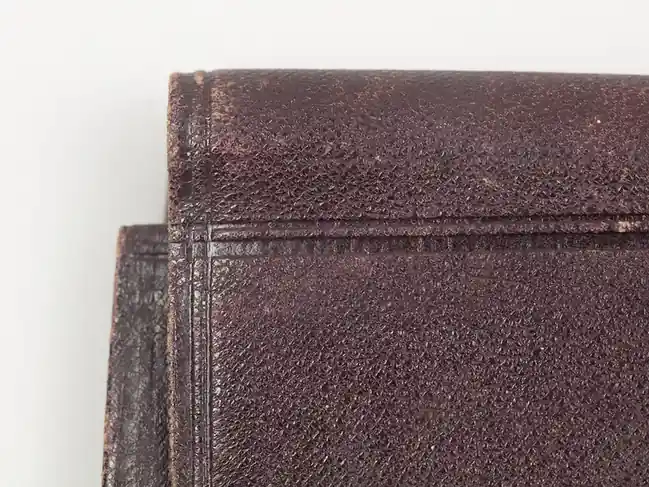
The dark brown, edge-finished and saddle-stitched
Three-card slip
A single-fold slip with one open slot each side and a center pocket. It lives in a front pocket and lies flat enough to forget. The slots are cut tight on purpose; the leather does the rest over the first month.
Leather
Vegetable-tanned full-grain, 1.4 mm, natural tan or dark brown
Vegetable-tanned hide, cut and folded; the grain is the finish
Six-card fold
A bifold with two slots on each inside face and a long pocket behind them. It is still a card wallet: the long pocket takes a folded note or a receipt, but it is not a billfold and does not pretend to be one.
Leather
Vegetable-tanned full-grain, 1.2 mm, natural tan or dark brown
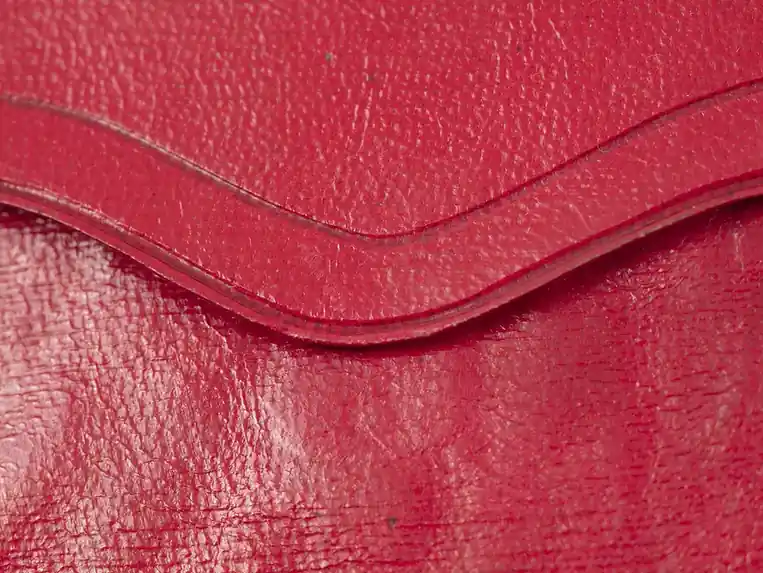
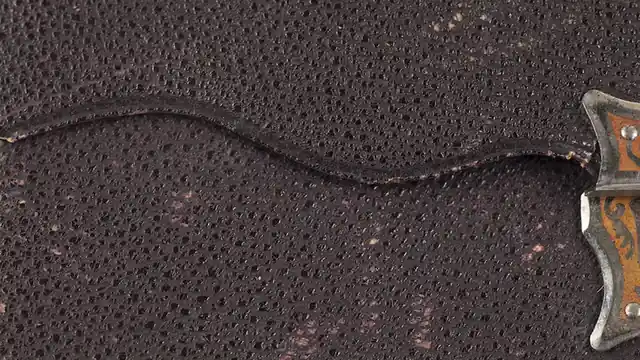
Both wallets are cut from vegetable-tanned full-grain leather. Vegetable tanning uses tree bark and plant matter rather than chrome salts, which leaves a firmer, drier hide that holds a crease, burnishes on the edge, and changes color as it is handled. Full-grain means the surface of the hide is left as it grew: the pores, the faint scars and the variation in shade are all still there, and no two wallets in a run match exactly.
We use two thicknesses. The slip is cut from 1.4 mm hide because a single fold in a firm leather needs body or it curls. The fold is cut from 1.2 mm so that four layers at the spine stay under a centimeter with cards in. Edges are cut clean, sanded, and burnished with a wooden slicker until they gloss; there is no edge paint to crack off later.
Color
When new
After a year
Natural tan
Pale, almost the color of the hide as it left the tannery
A warm mid-brown, darkest along the fold and wherever your thumb lands
Dark brown
Even, matte, close to the color of strong coffee
A little glossier, a little deeper; the change is in sheen more than shade
Full-grain: the pores and the shade shifts are the hide, not a print
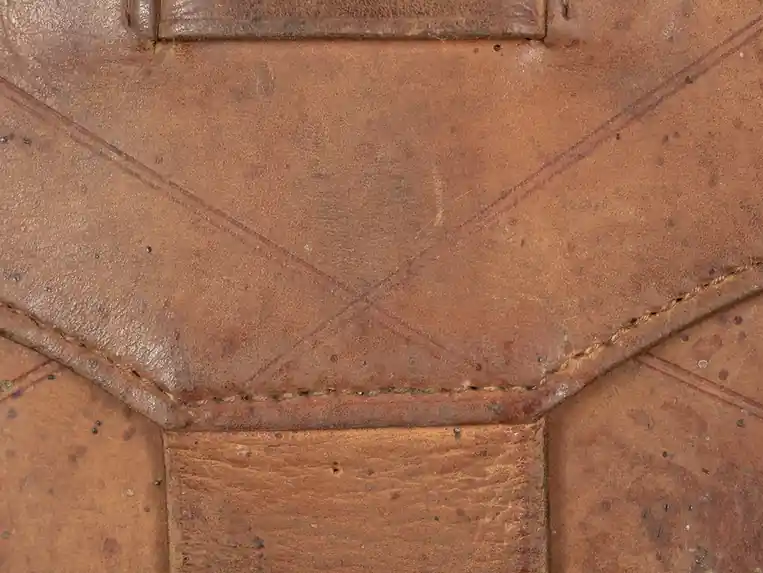
Tan after long use: the stitching still tight, the surface gone dark where hands touch
How the leather changes
The first month is the one that matters. Slots that arrive tight loosen to the width of the cards you actually carry and then stop; that is the capacity we list as after a month. Do not force a fifth card into the slip on day one to speed it up, because a slot stretched past its cards stays stretched.
Handling darkens the tan. Light, the oils in your hands and the rub of a pocket build a patina that starts at the fold and spreads. Water leaves a mark for a day and then mostly fades into the rest. Scratches from keys are permanent but soften as the surface around them darkens to match.
Care is simple and we sell nothing for it. Wipe the wallet with a dry cloth. If it gets soaked, let it dry away from heat, then flex it. Once or twice a year, if the surface looks dusty rather than glossy, a fingertip of any plain leather balm rubbed in and buffed off is enough; more than that oversoftens the hide and the slots go slack.
It holds no coins. There is no coin pocket on either wallet and we are not going to add one; coins are what make a slim wallet fat.
It is not a billfold. The fold's long pocket takes a note folded twice; it does not take a stack of them flat.
It has no window. A card you show often goes in an outside slot where a thumb can push it up.
It is not waterproof. Vegetable-tanned leather takes water and marks; it also dries out again.
It will not hold more than its listed cards without the slots going slack for good.
If you carry coins, a thick fold of notes or more than six cards, this is not the wallet for you, and we would rather say that here than after the fact.